Meth Contamination: Testing, Cleanup, and NZS 8510 Compliance
Methamphetamine contamination in residential properties is a serious issue in New Zealand. Whether you are a homeowner, landlord, or prospective buyer, understanding the testing and cleanup process is essential.
What Is Meth Contamination?
Methamphetamine use or manufacture in a property leaves chemical residues on surfaces — walls, ceilings, floors, curtains, carpets, and even in the building structure itself. These residues can persist for years and may pose health risks to occupants, particularly children.
NZS 8510: The New Zealand Standard
NZS 8510:2017 is the New Zealand Standard for testing and decontamination of methamphetamine-contaminated properties. It sets out:
- Sampling methodology and locations
- Laboratory analysis requirements
- Cleanup levels for different surface types
- Post-decontamination clearance criteria
- Documentation and reporting requirements
When Should You Test?
Testing is recommended when:
- You suspect the property has been used for meth use or manufacture
- You are purchasing a property and want certainty
- You are a landlord and have reason to suspect contamination
- Police or other authorities have notified you of meth-related activity at the property
- You are selling and want to provide assurance to buyers
The Testing Process
- Preliminary screening: Composite field testing can indicate whether meth residues are present above screening levels.
- Detailed sampling: If screening indicates contamination, laboratory analysis of individual samples from multiple locations is conducted.
- Reporting: A detailed report identifies contamination levels, locations, and recommendations for decontamination.
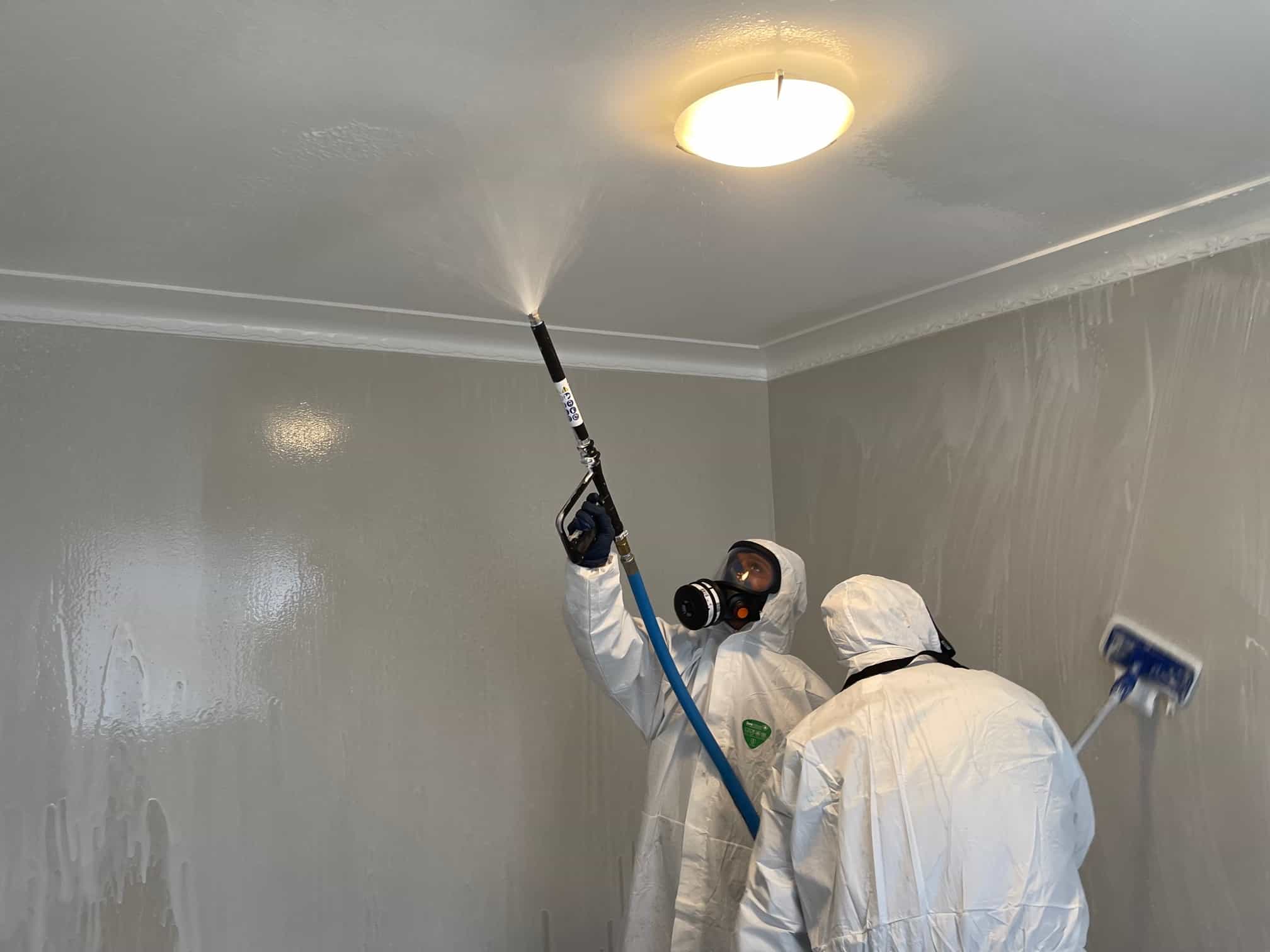
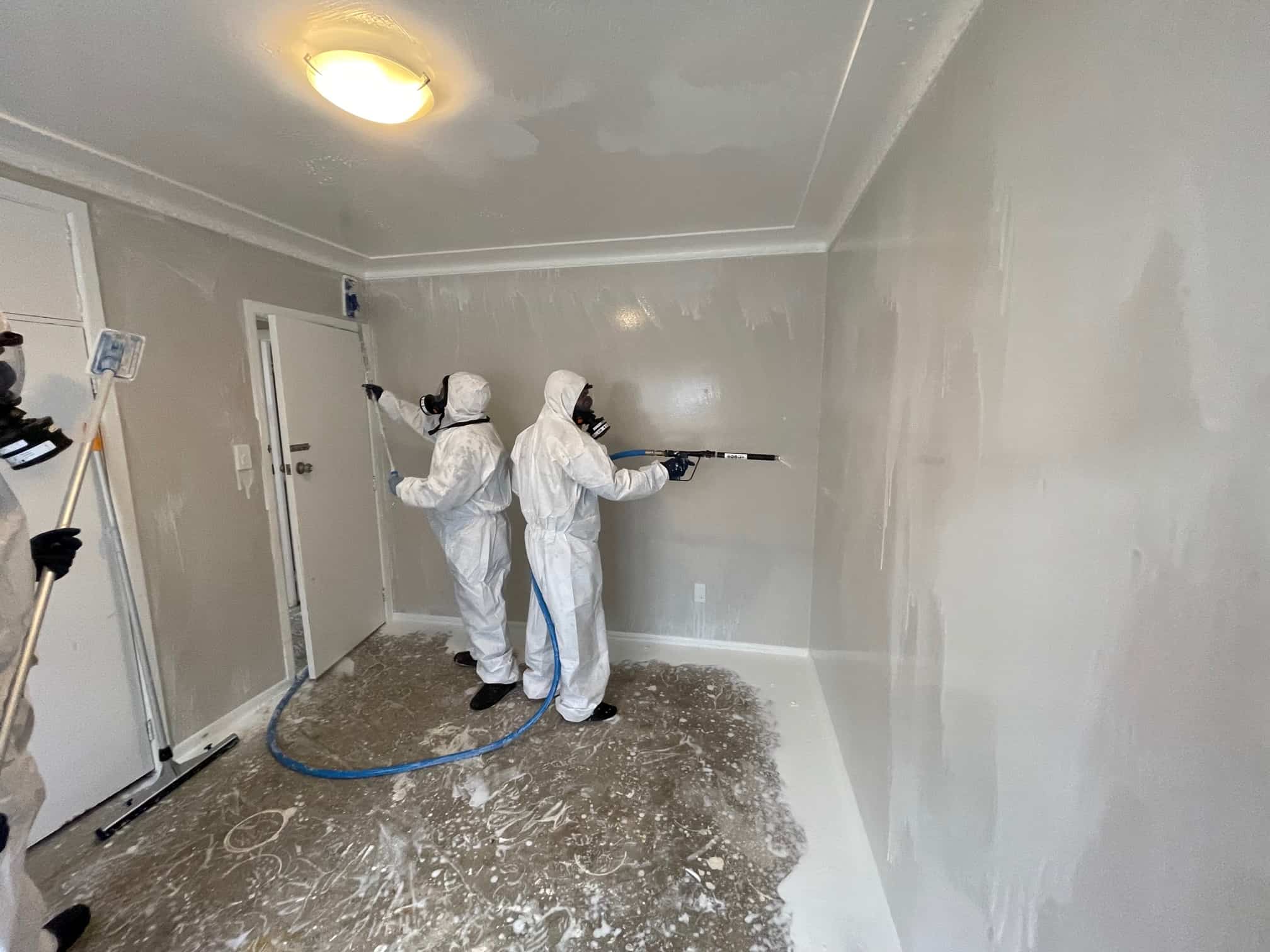
The Decontamination Process
Professional meth decontamination follows a structured approach:
- Removal: Porous materials that cannot be adequately cleaned (carpet, curtains, insulation) are removed and disposed of following regulated procedures.
- Cleaning: All surfaces are cleaned using specialised methods and cleaning agents appropriate for meth residue.
- Verification: Post-decontamination sampling confirms that residue levels are below the clearance thresholds in NZS 8510.
- Clearance certificate: A clearance report documents that the property meets the standard.
Insurance and Meth Contamination
Most standard home insurance policies do not cover meth contamination from use or manufacture. Some policies may provide limited cover if contamination results from a criminal act by a third party. Check your policy and discuss with your insurer or broker.
For professional meth testing and decontamination, call 0800 452 199 or visit iDry Meth Decontamination.
About the Author
iDry Restorations Team — Mould Removal Auckland is a specialist service of iDry Restorations, Auckland's trusted IICRC-certified restoration company. Our content is written by experienced restoration professionals and reviewed for accuracy. We cite industry standards (IICRC S500, S520; NZS 8510) and reference current New Zealand regulations.
Methodology
This article is based on IICRC industry standards, New Zealand building code requirements, and practical experience from restoration projects across Auckland. It is reviewed periodically and updated as standards and regulations evolve.
Disclaimer
This article provides general information only and does not constitute professional advice. For assessment of your specific situation, contact a qualified restoration professional.