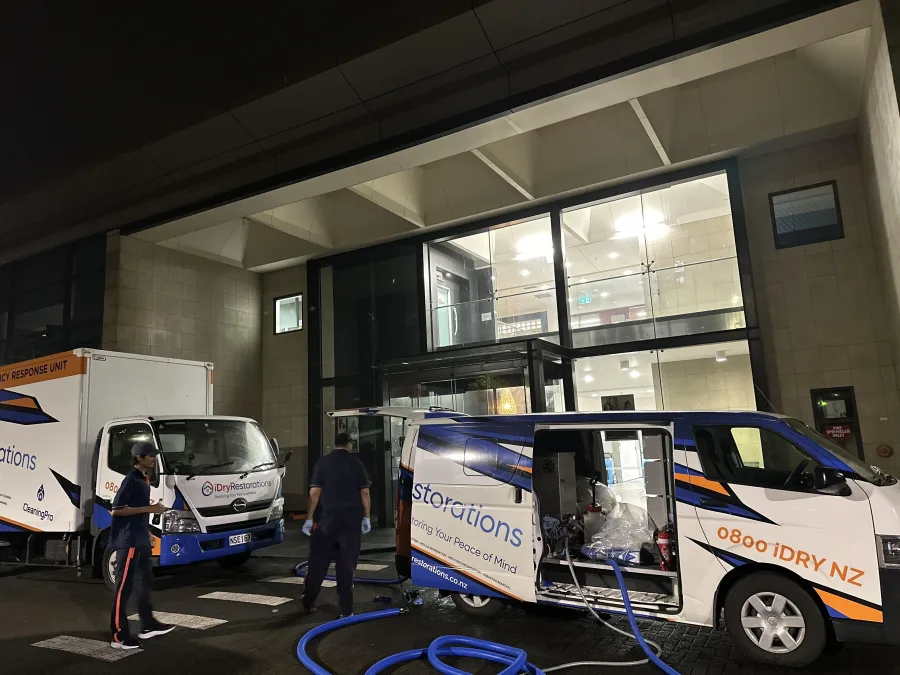
Mould After the Auckland Floods: Lessons from January 2023
The Auckland Anniversary Weekend floods of January 2023 were a stark reminder of how quickly water can damage homes — and how persistent the aftermath can be. Three years on, many properties are still dealing with mould problems that trace back to inadequate drying after the event.
The Scale of the Event
On 27 January 2023, Auckland received more than 240mm of rain in some areas — an entire summer's worth of rain in less than 24 hours. Thousands of homes were flooded. The sheer volume of affected properties overwhelmed available restoration resources, meaning many homes did not receive professional drying within the critical 48-hour window.
What Went Wrong with Drying
In the aftermath, many homeowners attempted to dry their properties themselves using household fans and heaters. While well-intentioned, this approach is rarely sufficient for saturated building materials:
- Household fans lack the air volume to dry wall cavities and underfloor spaces
- Domestic dehumidifiers are undersized for flood-damaged homes
- Without moisture meters, it is impossible to know when materials are actually dry
- Surface-dry materials can still hold enough moisture for mould growth
The Hidden Mould Legacy
Three years later, restoration companies across Auckland continue to find mould in homes that were flooded in January 2023. Common locations include:
- Behind gib board that was never removed or properly dried
- Under flooring where water pooled in the subfloor space
- In wall insulation that absorbed water and was never replaced
- In carpet underlay that appeared dry on the surface
Lessons for Future Events
- Professional drying is not optional: After significant water ingress, industrial-grade equipment and professional monitoring are essential.
- Moisture meters tell the truth: Materials that feel dry may still be wet enough to support mould. Only moisture meters provide objective data.
- Remove, don't guess: If there is doubt about whether a material is adequately dry, removal and replacement is safer and often cheaper than the long-term consequences of hidden mould.
- Document everything: Photographs, moisture readings, and drying logs are essential for insurance claims and future property disclosure.
If Your Home Was Affected
If your property was flooded in January 2023 or any subsequent weather event and you have not had a professional mould assessment, it is worth arranging one. Hidden mould can affect your health and your property's value.
For a professional mould assessment, call 0800 452 199 or visit iDry Restorations Mould Remediation.
About the Author
iDry Restorations Team — Mould Removal Auckland is a specialist service of iDry Restorations, Auckland's trusted IICRC-certified restoration company. Our content is written by experienced restoration professionals and reviewed for accuracy. We cite industry standards (IICRC S500, S520; NZS 8510) and reference current New Zealand regulations.
Methodology
This article is based on IICRC industry standards, New Zealand building code requirements, and practical experience from restoration projects across Auckland. It is reviewed periodically and updated as standards and regulations evolve.
Disclaimer
This article provides general information only and does not constitute professional advice. For assessment of your specific situation, contact a qualified restoration professional.