10 Signs of Mould in Your Home You Should Never Ignore
Mould can grow silently behind walls, under floors, and in ceiling cavities long before you notice visible patches. By the time you see it, the problem is often well established. Here are the ten most common signs that indicate you may have a mould problem in your Auckland home.
1. Musty, Earthy Odours
A persistent musty smell — particularly in bathrooms, laundries, or basements — is often the first indicator of hidden mould. If you notice the smell gets stronger when the heating is on or windows are closed, mould is likely growing somewhere out of sight.
2. Visible Discolouration on Walls or Ceilings
Black, green, grey, or white patches on walls, ceilings, or around window frames are obvious signs. Even small spots can indicate a larger colony behind the surface. Pay particular attention to corners, behind furniture, and areas near plumbing.
3. Peeling or Bubbling Paint and Wallpaper
Moisture behind paint or wallpaper causes it to bubble, crack, or peel. This trapped moisture creates the perfect environment for mould growth between the wall and its covering.
4. Persistent Condensation
If your windows are regularly fogged up with condensation — especially in bedrooms overnight — your indoor humidity is too high. Condensation on windows, walls, and metal surfaces feeds mould growth.
5. Worsening Allergy or Asthma Symptoms
Mould spores are a common trigger for respiratory issues. If you or your family experience increased sneezing, coughing, itchy eyes, or asthma symptoms that improve when you leave the house, mould may be the culprit.
6. Warped or Swollen Skirting Boards and Flooring
Moisture-damaged timber swells and warps. If your skirting boards, floorboards, or laminate flooring are buckling, there is likely a moisture source nearby — and where there is moisture, mould follows.
7. Damp or Wet Carpet That Won't Dry
Carpet that stays damp for more than 24–48 hours is at high risk of mould growth. The underlay is particularly vulnerable and can harbour extensive mould colonies even if the carpet surface looks fine.
8. Unexplained Stains on Walls or Ceilings
Yellowish or brownish water stains on ceilings or walls indicate past or ongoing water ingress. Even if the leak has been fixed, mould may have already established itself in the affected materials.
9. Increased Humidity Indoors
If your home feels consistently damp or humid — even with windows open — you may have a moisture problem. Use a hygrometer; indoor humidity above 60% encourages mould growth.
10. Recent Water Damage or Flooding
Any property that has experienced flooding, a burst pipe, or a roof leak is at elevated risk. Mould can begin growing within 24–48 hours of water exposure if materials are not properly dried.
What to Do If You Spot These Signs
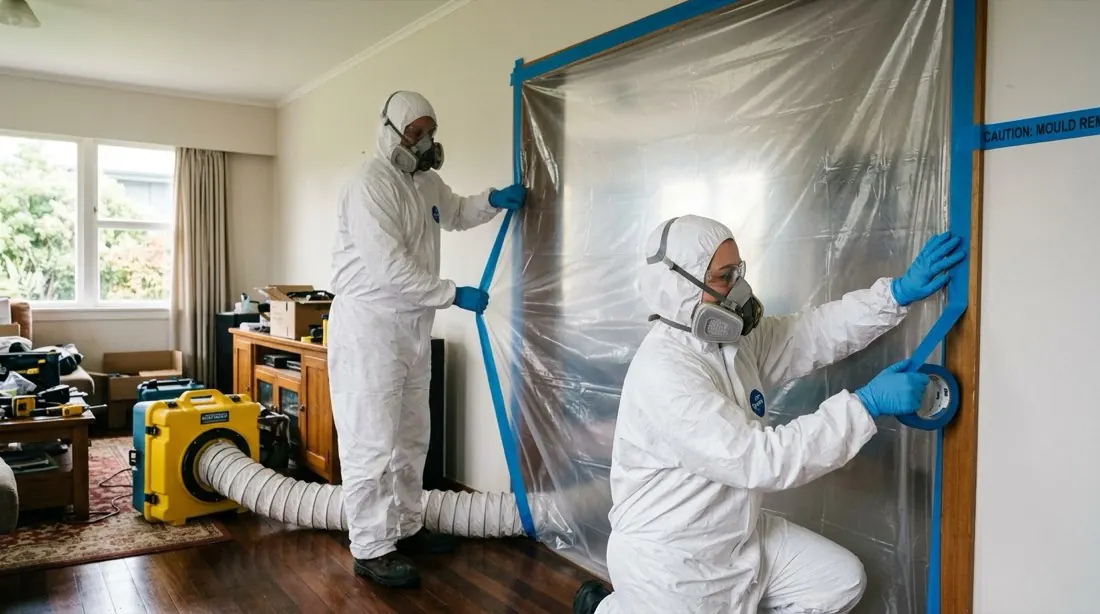
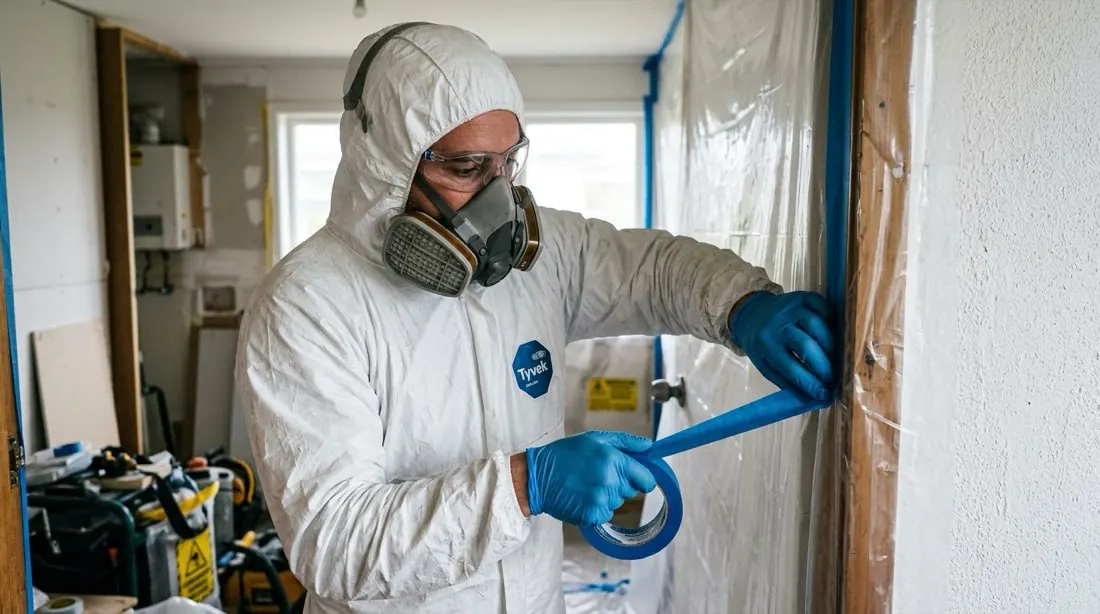
If you recognise any of these signs in your home, don't wait. Mould problems get worse — and more expensive — the longer they are left untreated. Professional mould inspection can identify the full extent of the issue, including hidden colonies you cannot see.
Call 0800 452 199 or visit iDry Restorations Mould Remediation to arrange an inspection. Our IICRC-certified technicians serve all Auckland suburbs with same-day response available.
About the Author
iDry Restorations Team — Mould Removal Auckland is a specialist service of iDry Restorations, Auckland's trusted IICRC-certified restoration company. Our content is written by experienced restoration professionals and reviewed for accuracy. We cite industry standards (IICRC S500, S520; NZS 8510) and reference current New Zealand regulations.
Methodology
This article is based on IICRC industry standards, New Zealand building code requirements, and practical experience from restoration projects across Auckland. It is reviewed periodically and updated as standards and regulations evolve.
Disclaimer
This article provides general information only and does not constitute professional advice. For assessment of your specific situation, contact a qualified restoration professional.